
F-gas regulation explained briefly
The F-gas regulation is an EU regulation concerning fluorinated greenhouse gases.
It gradually restricts the use of these refrigerants and drives the transition to alternative solutions.
The goal is to reduce emissions and steer the market toward more sustainable solutions.
Why is the F-gas regulation being tightened?
Fluorinated refrigerants contribute to global warming.
Therefore, their use is being gradually reduced in the EU.
The updated regulation (2024) continues this development and introduces new restrictions for different applications.
What is the difference between the F-gas regulation and PFAS regulation?
The F-gas regulation and PFAS regulation are both related to fluorine chemistry, but they target different things.
F-gas regulation
- primarily concerns refrigerants
- gradually restricts the use of fluorinated greenhouse gases
- directly determines which refrigerants can be used in different applications
PFAS regulation
- concerns a broad group of chemicals, not only refrigerants
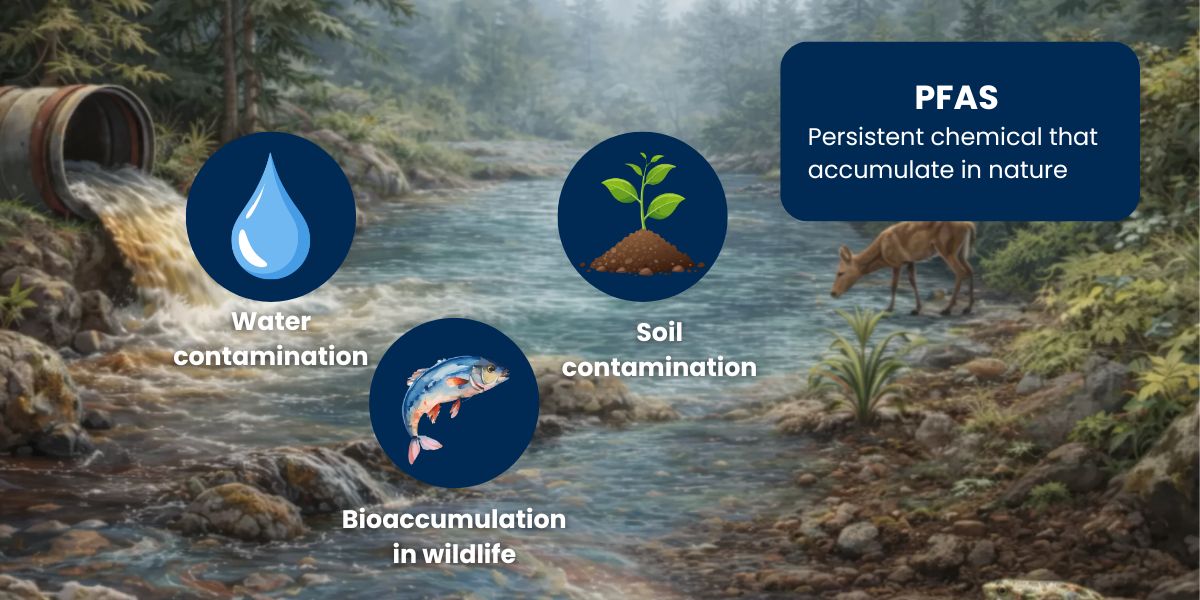
- is particularly related to environmental impacts and persistence of substances
- may also affect fluorinated refrigerants and related solutions
- focuses especially on substances whose use is currently being reassessed
What does the new F-gas regulation mean in practice?
The updated regulation introduces changes step by step.
In practice, this means:
- the use of certain refrigerants is restricted or prohibited
- availability and prices will change
- requirements related to servicing and maintenance will become stricter
The impacts do not happen all at once, but they already guide decisions today.
How will the regulation progress?
What does this mean in practice for you?
Not all current solutions are long-lasting.
When making decisions now, it is worth considering:
- how long the solution will remain viable from a regulatory perspective
- how serviceability will change
- whether the chosen technology will remain available in the future
Is a natural refrigerant always the right choice?
Not always.
Natural refrigerants are often a good option, but they are not the only solution for all applications.
The choice is always made based on the overall picture:
- application
- technical requirements
- market
- lifecycle
How should you approach this?
A good way to proceed is simple:
- identify how the regulation affects your solution
- evaluate alternatives early
- make decisions before options become limited
The earlier you act, the more options you will have available.
Lumikko – a partner from interpretation to implementation
We help our customers:
- interpret the impacts of regulation
- compare alternatives
- choose the right solution
- implement it in practice
It’s not just about technology, but the overall solution.
PFAS affects the same overall solution from a different perspective.