
How can auxiliary air conditioning support a vehicle’s existing HVAC system?
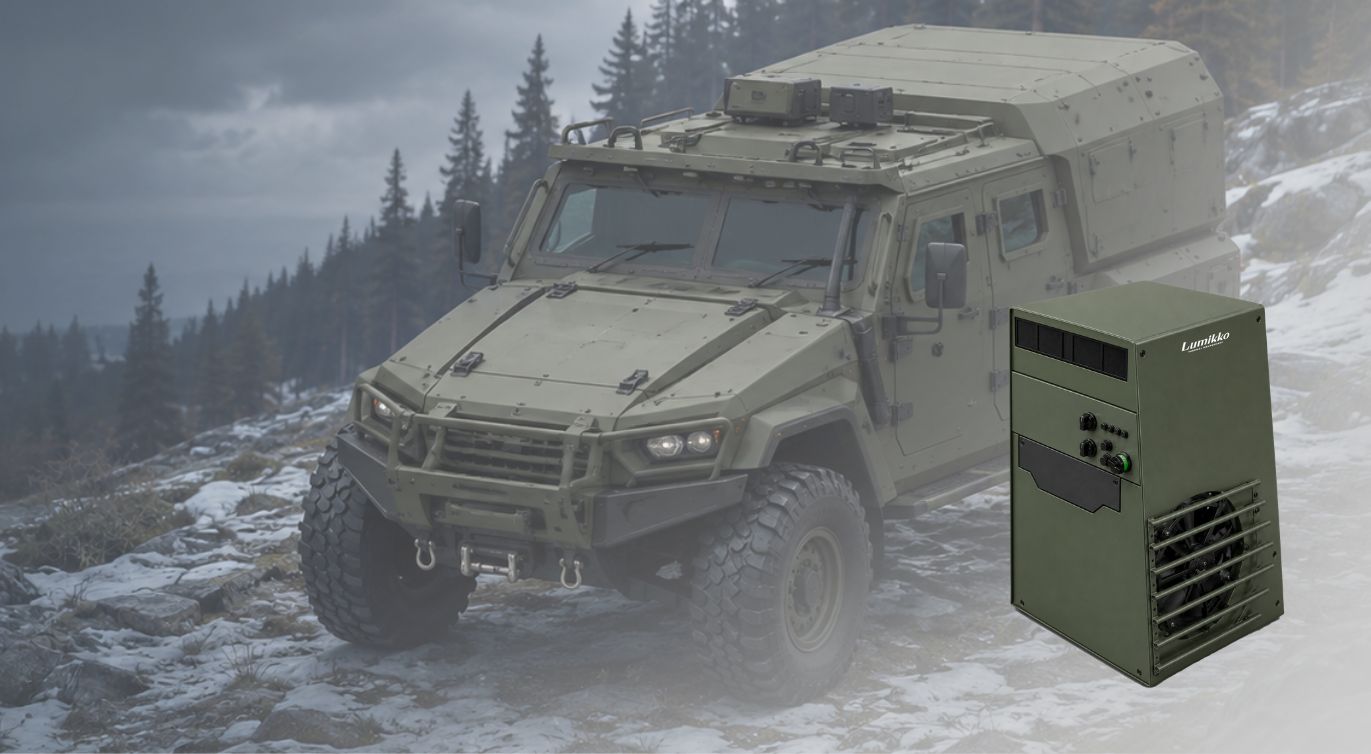
An auxiliary air conditioning unit supports a vehicle’s existing HVAC system by providing additional cooling capacity when the primary system cannot meet the full thermal demand on its own. This can occur during stationary operation with the engine off, in high ambient temperatures, or when internal heat loads from personnel and electronics exceed what the main system was sized to handle. The sections below address the most common questions about how auxiliary AC works, which vehicles benefit most, and what to consider when integrating it.
When does a vehicle’s main HVAC system need extra support?
A vehicle’s primary HVAC system needs extra support when the cooling demand exceeds its design capacity. This typically happens during stationary operation with the engine switched off, in unusually high ambient temperatures, or when heat-generating equipment inside the vehicle creates a thermal load the main system was not originally sized to manage alone.
Most vehicle HVAC systems are sized around a defined set of operating conditions: a typical ambient temperature range, a baseline crew size, and a standard equipment load. When any of these factors increase significantly, for example, when electronics are added to a vehicle during a mid-life upgrade, or when the vehicle operates in a hotter climate than originally anticipated, the primary system may struggle to maintain acceptable interior temperatures.
Stationary operation presents a particularly common challenge. When the main engine is switched off, engine-driven compressors and cooling components lose their power source. Personnel and equipment inside the vehicle continue generating heat, but the primary HVAC system is no longer available to manage it. This is a situation where auxiliary or parking air conditioning becomes directly relevant.
How does an auxiliary air conditioning unit work alongside primary HVAC?
An auxiliary air conditioning unit operates in parallel with the vehicle’s existing HVAC system, providing supplemental cooling capacity from an independent power source. Rather than replacing the primary system, it adds cooling capacity on top of it, either during stationary operation using the vehicle’s battery system, or while driving when peak thermal loads exceed what the main system can handle alone.
The two systems function independently but serve a shared purpose: maintaining a suitable interior temperature for crew and equipment. When the vehicle is moving and the main HVAC is running, the auxiliary unit can activate to provide additional cooling during demanding conditions. When the engine is off and the primary system is unavailable, the auxiliary unit can take over using stored electrical energy from the vehicle battery system.
This dual-mode capability means the auxiliary unit is not simply a backup. It is a complementary thermal management tool that extends the vehicle’s ability to control interior climate across a broader range of operating conditions and mission profiles. The operating point, and therefore the balance between cooling output and electrical consumption, can typically be selected according to the priorities of the application.
What types of vehicles benefit most from auxiliary AC?
Vehicles that spend significant time stationary with the engine off, operate in high ambient temperatures, or carry substantial internal heat loads from electronics and personnel benefit most from auxiliary air conditioning. Military and special-purpose vehicles are a primary example, but the principle applies to any mobile platform where the main HVAC system faces conditions beyond its original design parameters.
In the defense sector, tactical wheeled vehicles, command vehicles, communications platforms, and sensor-system vehicles are particularly relevant applications. These vehicles may remain stationary for extended periods during surveillance, command, or communication tasks, while personnel and electronics continue operating inside. Without engine-off cooling, interior temperatures can rise to levels that affect both crew performance and equipment reliability.
Crew vehicles where personnel welfare during stationary phases is a priority also benefit considerably. The same applies to vehicles that have been upgraded with additional electronics after their original HVAC system was specified, where the increased heat load now exceeds the primary system’s capacity. In these cases, an auxiliary unit can restore the thermal balance without requiring a complete HVAC replacement.
What’s the difference between auxiliary and supplemental HVAC systems?
The terms auxiliary and supplemental HVAC are often used interchangeably, but in practice they describe slightly different roles. An auxiliary HVAC system typically operates independently of the main system and can function when the primary system is unavailable, such as during engine-off operation. A supplemental system generally adds capacity on top of an existing, running HVAC system without being designed for independent operation.
In the context of vehicle climate control, the distinction matters most during stationary operation. A supplemental unit that depends on the same power source as the primary HVAC system provides no benefit when the engine is off. An auxiliary unit with its own independent power source, such as the vehicle battery system, can maintain cooling even when the main system is inactive.
Some systems are designed to fulfill both roles: providing battery-powered parking cooling when the engine is off, and additional cooling capacity alongside the running primary system while driving. This combined capability makes the distinction between the two terms less rigid in practice, but understanding the difference helps clarify what a given vehicle application actually requires.
What should you consider when integrating auxiliary AC into an existing vehicle?
Integrating auxiliary air conditioning into an existing vehicle requires careful consideration of available installation space, the vehicle’s electrical system capacity, required cooling output, airflow routing, and how the unit will interact with existing controls and architecture. No two vehicles present identical constraints, so the integration approach must be tailored to the specific platform.
Key factors to evaluate include:
- Available installation space: Roof mounting, rear mounting, and integration into the rear superstructure are common options, each with different implications for airflow, protection, and serviceability.
- Electrical system capacity: Battery-powered auxiliary units draw significant current, particularly at higher operating points. The vehicle’s battery system must be able to support the additional load while meeting other electrical demands.
- Required cooling capacity: Sizing depends on the internal heat load from personnel and equipment, the ambient temperature range, and the thermal performance already provided by the primary HVAC system.
- Controls and integration: The auxiliary unit’s controls should be compatible with the vehicle’s existing electrical and control architecture to allow coordinated operation.
- Serviceability and protection: The installation location should allow for maintenance access and provide adequate protection against the operating environment, including dust, moisture, and vibration.
The balance between cooling performance and battery runtime is another practical consideration, particularly for vehicles that rely on stored energy during extended stationary phases. A system with selectable operating points allows the operator to prioritize battery endurance or cooling output according to the mission profile at any given time.
Lumikko’s Parking and Auxiliary Air Conditioning solution for military and special-purpose vehicles is designed around exactly these integration challenges. Operating at 24/28 VDC from the vehicle battery system, it can provide battery-powered cooling with the engine off and additional cooling capacity while driving, with cooling output of up to 5 kW sized according to the application. Cooling capacity, controls, ducting, and the electrical interface are configured to the specific vehicle rather than treated as a standard installation.
Would you like more information about our solutions? Reach out to us, and let’s create the right solution together.